This guide explains when you can keep or must surrender a car in Chapter 7 bankruptcy, how vehicle exemptions work, and what happens to your car loan.
Updated 11/18/2025
Why Trust Us?
Fact-Checked
Nolo was born in 1971 as a publisher of self-help legal books. Guided by the motto “law for all,” our attorney authors and editors have been explaining the law to everyday people ever since. Learn more about our history and our editorial standards.
Each article that we publish has been written or reviewed by one of our editors, who together have over 100 years of experience practicing law. We strive to keep our information current as laws change. Learn more about our editorial standards.
If you file for Chapter 7 bankruptcy and want to keep your car, truck, or motorcycle, you can do it, but you must meet particular criteria. In short, whether you can keep your car in Chapter 7 bankruptcy or must let it go will depend on your answers to these questions:
- Do you want to let the car go or keep it?
- Do you own the vehicle outright, or is it financed?
- Are you current on the payment?
- Will your state let you keep all of your car equity in bankruptcy using its motor vehicle exemption?
If it seems like a lot, don't worry—this article simplifies what you need to know about keeping and letting go of cars in Chapter 7, including when you must surrender a vehicle and what happens to your car loan when you file Chapter 7. Below, you'll find a simple table explaining what happens in the most common situations. The chart is followed by detailed explanations and step-by-step instructions to help you fully understand your options.
In This Article
- Can You Keep Your Car in Chapter 7 Bankruptcy?
- Can You Keep Your Paid-Off Car in Chapter 7 Bankruptcy?
- How to Check If Your Car Equity Is Protected in Chapter 7
- How to Use the "Can You Keep Your Car in Chapter 7 Bankruptcy?" Chart
- What Happens to Your Car Loan in Chapter 7 Bankruptcy
- How to Surrender a Car in Chapter 7 Bankruptcy
- How to Get Your Car Title After Chapter 7 Bankruptcy
- What If the Lender Never Repossesses Your Car After Chapter 7 Bankruptcy
- Chapter 7 Car Bankruptcy FAQs: Keeping or Losing Your Car
- Need More Help?
Can You Keep Your Car in Chapter 7 Bankruptcy?
Figuring out whether you'll keep or lose your car in Chapter 7 bankruptcy can be complicated. As we explain below, what matters is:
- how much equity you have and whether you can protect it with a motor vehicle exemption, and
- if there's a car loan, whether you're current and how you deal with the lender in Chapter 7. (11 U.S.C. §§ 362, 521(a)(2), 522.)
To make things easier, the chart below shows what typically happens to your car in Chapter 7 based on (1) whether you have a loan and (2) whether a motor vehicle exemption protects your car equity. It also lets you know when your only Chapter 7 option is to buy it for its actual value (redemption), or you'd have an easier time protecting it in Chapter 13.
Chart: Can You Keep Your Car in Chapter 7 Bankruptcy?
|
|
Equity Protected |
Equity Not Protected |
|
No Car Loan |
Keep the car in Chapter 7 bankruptcy. |
Lose the car in Chapter 7 bankruptcy—consider Chapter 13. |
|
Car Loan and Payment are Current |
Keep the car in Chapter 7 bankruptcy. |
Lose the car in Chapter 7 bankruptcy—consider redemption or Chapter 13. |
|
Car Loan and Payment Are Past Due |
Lose the car in Chapter 7 bankruptcy—consider redemption or Chapter 13. |
Lose the car in Chapter 7 bankruptcy—consider redemption or Chapter 13. |
Can You Keep Your Paid-Off Car in Chapter 7 Bankruptcy?
Yes, you can keep a car you own free and clear as long as the car's value is fully covered by your state's motor vehicle exemption and any wildcard exemption you can stack on top of it. (11 U.S.C. § 522.)
When the Trustee Will Sell Your Paid-Off Car
If the car is paid off and worth more than your available bankruptcy exemptions, the Chapter 7 trustee can sell it. The trustee will pay you your exemption amount in cash and use the rest to pay creditors. If you want to keep a car with nonexempt equity, most people find it easier to keep a car in Chapter 13. (11 U.S.C. §§ 522, 704.)
When the Trustee Might Abandon Your Paid-Off Car
In practice, if your car is only slightly over the exemption amount, some trustees will decide that it's not worth selling. By the time they pay you your exemption, pay sales costs, and take their commission, selling the car wouldn't net enough profit to benefit creditors. In that case, the trustee will abandon the property and allow you to keep it.
How to Check If Your Car Equity Is Protected in Chapter 7
- Determine your car's value.
- Subtract any balance owed on a car loan.
- Check whether a bankruptcy exemption protects the property equity.
Here are the instructions for each step.
- Determine the value. Your car's value is the amount someone would pay to buy it today in its current condition, not what you originally paid, and you can estimate that value using tools found on the Kelley Blue Book or NADA websites. If you own your car outright, you'll skip the second step.
- Subtract the car loan. If you have a car loan, subtract your loan balance from your car's value to find your equity—the amount you'd keep if you sold your car, truck, or another vehicle. You must subtract the loan amount because no one—not you or the bankruptcy trustee—can sell the car without paying off the loan first, so only the net equity after the lien matters in Chapter 7.
- Check exemption coverage. Find your state's bankruptcy exemption statutes, which are the laws that tell you the property you can keep in bankruptcy and how much equity in a car you can protect using the motor vehicle exemption.
You'll find your state's bankruptcy exemptions here. Look for a motor vehicle exemption—it specifically protects cars and other vehicles. Also, check for a wildcard exemption. Most states will let you use both if the motor vehicle exemption isn't enough to protect your car in bankruptcy.
How to Use the "Can You Keep Your Car in Chapter 7 Bankruptcy?" Chart
Once you have your figures, you're ready to use the chart. But first, notice that you'll lose your car in Chapter 7 bankruptcy when either of these is true:
- You can't protect the equity with exemptions.
- You're behind on your car payment.
The reason for both situations is essentially the same: Because Chapter 7 is quick and wipes out qualifying debts in about four months, it doesn't provide a way to catch up on a car loan or buy back a lot of nonexempt equity. (11 U.S.C. §§ 362, 704, 727.)
Chapter 7 Process
In Chapter 7, the Chapter 7 trustee will sell your car if you can't protect the equity and give you the exemption amount in cash. If you're not current on the car loan when you file, the lender can use its lien rights to get the car back. (11 U.S.C. §§ 362(h), 521(a)(2), 704.)
The lender can either ask the bankruptcy court to lift the automatic stay and repossess the car during bankruptcy or wait until the bankruptcy case ends and repossess afterward, depending on how your local court and the lender handle car loans in Chapter 7. (11 U.S.C. §§ 362(d), 521(a)(2),(d).)
How Chapter 13 Can Help
Chapter 13 bankruptcy lets you fix problems, such as late payments and nonexempt equity. Using the Chapter 13 payment plan, you can catch up on missed payments and pay for nonexempt equity over time. (11 U.S.C. §§ 1322, 1325.)
Next Steps
Now that you understand the elements, recheck the chart. You'll find more details about the options below.
What Happens to Your Car Loan in Chapter 7 Bankruptcy
When you file Chapter 7, your personal obligation to pay the car loan is typically discharged, but the lender's lien on the vehicle survives. The lender can still repossess it if you are behind on payments.
For most people who want to keep their car, what happens to a car loan in Chapter 7 comes down to three choices: redeem the car for its current value, reaffirm the car loan, or, if the lender agrees, keep the vehicle in an informal "ride through" arrangement. (11 U.S.C. §§ 506, 521(a)(2), 522, 524(a), 722, 524(c).)
- Redemption. If you redeem the car for its actual value, you'll own it free and clear.
- Reaffirmation. If you reaffirm the loan and later fall behind, the lender can repossess the vehicle and sue you for any deficiency, because reaffirmation keeps you personally liable on the reaffirmed debt even after bankruptcy. (11 U.S.C. § 524(c).)
- Ride through. If your lender is willing to do a "ride through," you might be able to keep the car simply by staying current. The lender would remain free to repossess at any time, and you'd be able to return the vehicle without paying anything further. This option isn't always available. Your local bankruptcy lawyer will know the practices in your area.
Tip. You don't have to keep a financed car. If you surrender the vehicle, and the lender sells it for less than you owe, the remaining balance is generally wiped out in your Chapter 7 discharge, so the lender can't sue you for a deficiency. More below in "How to Surrender a Car in Chapter 7 Bankruptcy."
Pay Less for a Financed Car With Chapter 7 Redemption
Suppose you owe $10,000 on your car loan, but the car is worth only $5,000. You can redeem the loan by paying the lender $5,000 in a lump sum to keep your vehicle free and clear of the lien. (11 U.S.C. § 722.)
Redemption is most useful when you owe more than the car is worth, because it lets you pay only the current value rather than the full loan balance, and can also fix a late payment problem by giving you a fresh start with a paid-off car.
The downside is that you must pay the redemption amount in full in a single payment, using funds you can protect with a bankruptcy exemption or funds you earn or borrow after filing. Specialized redemption lenders typically charge high interest rates.
Reaffirm Your Car Loan in Chapter 7 Bankruptcy
Many lenders will want you to sign a formal reaffirmation agreement if you intend to keep the vehicle after Chapter 7, and you might want to do so, as well.
When you reaffirm a car loan, you sign a new contract that reaffirms your promise to pay the debt under the same or slightly modified terms, and in exchange, the lender agrees it will not repossess the car as long as you comply with the agreement. (11 U.S.C. § 524(c).)
However, you'll remain personally liable for the loan after your bankruptcy ends. If you later have to give the car back and it's worth less than you owe, the lender can pursue you for the deficiency balance. Because of this, many courts and attorneys are cautious about reaffirmations that look unaffordable.
Keeping Your Car Using the Reaffirmation Process
If you say you want to keep a financed car in your bankruptcy papers, the lender will typically send you a reaffirmation agreement with the same terms as your old deal unless you can negotiate better ones. (11 U.S.C. § 524(c).)
Your lawyer and the court must review the reaffirmation. If your attorney won't sign the agreement attesting to the fact that you can afford it, the judge will hold a short hearing to make sure the payment is affordable and that you understand you will be personally liable for the reaffirmed debt.
If the court refuses to approve a reaffirmation because it appears to be an undue hardship, some lenders will still let you keep the car as long as you stay current, while others will repossess after the discharge because there is no enforceable reaffirmation in place.
How to Surrender a Car in Chapter 7 Bankruptcy
It is possible to return your financed car to the bank and wipe out or "discharge" the loan in Chapter 7, which is known as "surrendering" the vehicle. You can use the same approach to let go of a car lease, and in both cases, any remaining balance after the lender sells the car (called a deficiency balance) will be discharged.
On your bankruptcy forms, you'll tell the court, the Chapter 7 trustee managing your case, and your lender that you want to surrender your car on a bankruptcy form called the Statement of Intention for Individuals Filing Under Chapter 7 Bankruptcy.
Do You Have a Cosigner?
If your mom, uncle, or friend helped you get the loan, you'll want to find out if your cosigner will have to pay your debt if you file for Chapter 7 and surrender your car, because your discharge doesn't wipe out the cosigner's liability. (11 U.S.C. § 524(e).)
How Surrendering a Car in Chapter 7 Bankruptcy Works
After you state that you'll surrender the car, the automatic stay will eventually lift, and the lender can repossess the vehicle, either by arranging a voluntary turn‑in or by picking it up. (11 U.S.C. § 362.)
In many districts, you'll have roughly 30 to 45 days after the meeting of creditors for the lender to move forward with repossession or arrange for you to return the car. However, exact timing varies by local practice and lender. (11 U.S.C. § 521(a)(2).)
During that time, many people continue to drive the car until the lender schedules a pickup or sets a voluntary surrender date. Still, you should follow your lawyer's advice and any written instructions from the lender.
How to Get Your Car Title After Chapter 7 Bankruptcy
Filing Chapter 7 and receiving a discharge doesn't automatically give you a free and clear car title if there is still a lien on the vehicle. Your discharge wipes out your personal responsibility for the car loan. Still, the lender's lien usually remains on the title until the secured claim is paid off or the lender voluntarily releases the lien.
If you kept the car and continued paying after Chapter 7, you usually get the title the same way you would without bankruptcy: once the last payment is made, the lender sends a lien release, and you or the lender files it with the DMV to obtain a clear title.
What If the Lender Never Repossesses Your Car After Chapter 7 Bankruptcy
Sometimes people surrender their cars in Chapter 7, but the lender doesn't pick them up. The lender might decide the vehicle isn't worth repossessing, is slow to act, or is still evaluating whether to repossess or let you keep the car if you stay current.
Even if the lender delays repossession, the lien usually stays on the title until the lender releases it or a court orders otherwise. Therefore, you'll remain the owner for liability purposes and should keep it insured and registered.
You'll want to get legal advice before selling it or giving it away. An attorney can also help you take the proper steps to obtain a clear title.
Chapter 7 Car Bankruptcy FAQs: Keeping or Losing Your Car
- Can you keep your car in Chapter 7 if it is paid off?
- Can you keep your car in Chapter 7 if the car loan is current?
- When do you have to surrender your vehicle in a Chapter 7?
Can you keep your car in Chapter 7 if it is paid off?
You can usually keep a paid-off car if the state's motor vehicle exemption and any wildcard exemption you can stack on top of it fully covers the equity (or if the federal bankruptcy exemptions cover it and your state gives you the option of choosing between the two sets).
Can you keep your car in Chapter 7 if the car loan is current?
Yes, if you can also exempt your equity. You'll choose between reaffirming the loan, redeeming the car for its current value, or continuing to pay, if your lender agrees to the arrangement.
When do you have to surrender your vehicle in a Chapter 7?
If your equity exceeds exemption limits, if you're behind on the payments and you don't redeem, or you don't agree to the lender's reaffirmation requirement, you'll likely need to surrender the car. You can expect the lender to pick it up between your creditors' meeting and your discharge, depending on your trustee and lender.
Need More Help?
If you don't have the funds for legal help, there's still hope. Consider reading our guide that explains what to do when you can't afford a bankruptcy lawyer. You'll learn about the many creative ways to finance a bankruptcy filing.
Did you know Nolo has made the law accessible for over fifty years? It's true, and we wholeheartedly encourage research and learning. However, online articles and resources can't address all bankruptcy issues and aren't written with the facts of your particular case in mind. The best way to protect your assets in bankruptcy is by hiring a local bankruptcy lawyer.
 Take our bankruptcy quiz to identify potential issues and learn how to best proceed with your bankruptcy case.
|
In This Article
- Can You Keep Your Car in Chapter 7 Bankruptcy?
- Can You Keep Your Paid-Off Car in Chapter 7 Bankruptcy?
- How to Check If Your Car Equity Is Protected in Chapter 7
- How to Use the “Can You Keep Your Car in Chapter 7 Bankruptcy?” Chart
- What Happens to Your Car Loan in Chapter 7 Bankruptcy
- How to Surrender a Car in Chapter 7 Bankruptcy
- How to Get Your Car Title After Chapter 7 Bankruptcy
- What If the Lender Never Repossesses Your Car After Chapter 7 Bankruptcy
- Chapter 7 Car Bankruptcy FAQs: Keeping or Losing Your Car
- Need More Help?
DIY Legal Tools from Nolo
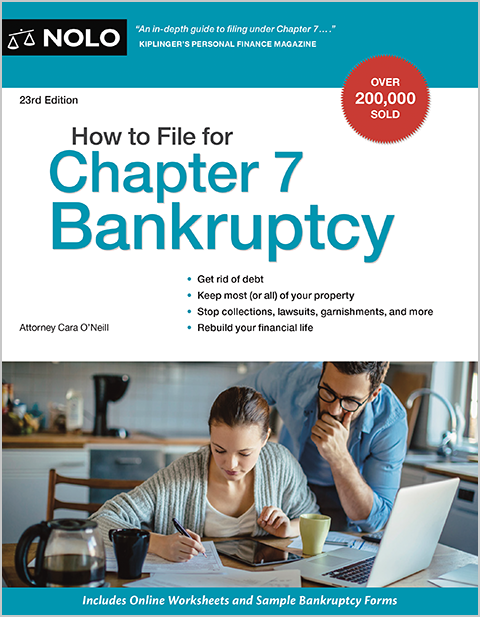
Book & eBook
How to File for Chapter 7 Bankruptcy
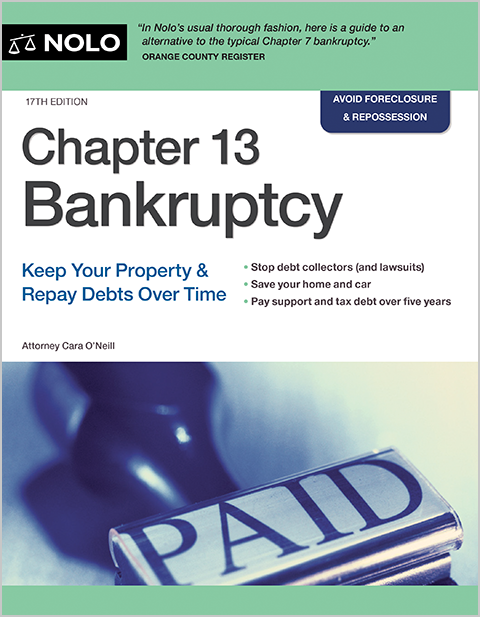
Book & eBook
Chapter 13 Bankruptcy

Copyright ©2025 MH Sub I, LLC dba Nolo ® Self-help services may not be permitted in all states. The information provided on this site is not legal advice, does not constitute a lawyer referral service, and no attorney-client or confidential relationship is or will be formed by use of the site. The attorney listings on this site are paid attorney advertising. In some states, the information on this website may be considered a lawyer referral service. Please reference the Terms of Use and the Supplemental Terms for specific information related to your state. Your use of this website constitutes acceptance of the Terms of Use, Supplemental Terms, Privacy Policy, Cookie Policy, and Consumer Health Data Notice.
Your Privacy Choices